What Happened and Timeline
Abdulrahman Alfozan, a Saudi national employed as an engineer at OpenAI, was arrested on suspicion of planting a concealed audio recording device in an executive meeting room at the company's office. The device was discovered before it could record sensitive conversations. On November 9, 2026, Alfozan made his first appearance in San Francisco federal court, where he entered a plea of not guilty to the charges against him. A subsequent hearing was scheduled for November 17, 2026. The exact timeline of the discovery, the arrest date, and the specific charges remain subject to ongoing proceedings.
How Covert Recording Devices Operate
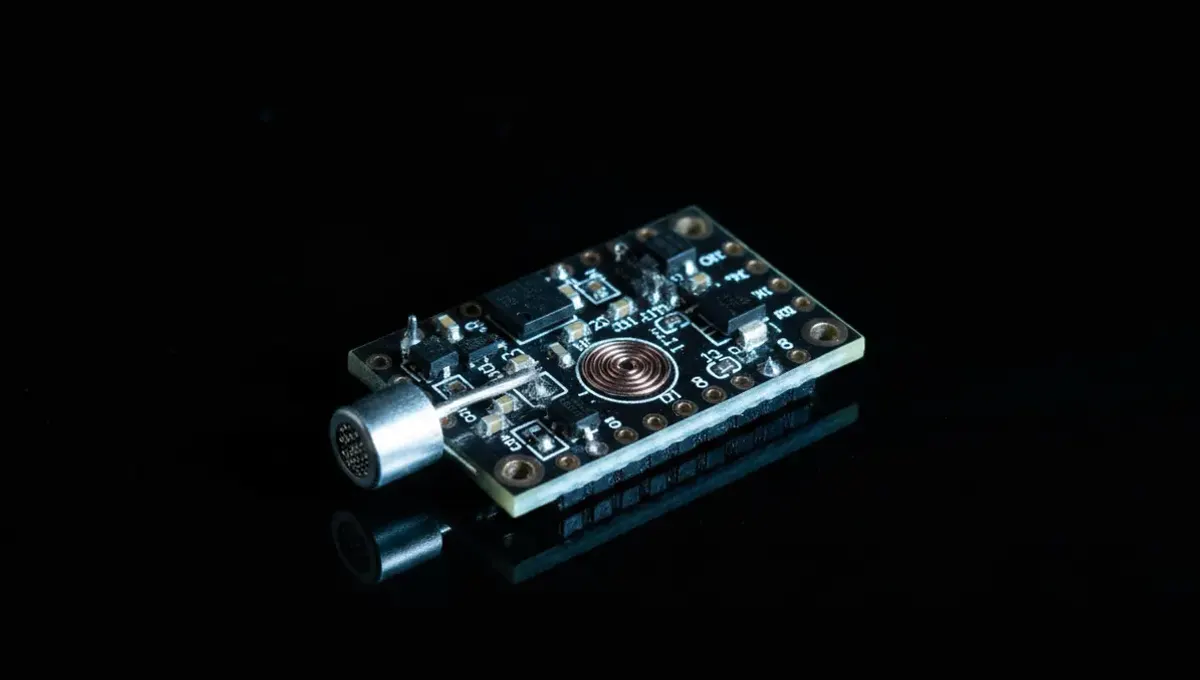
Concealed audio recording devices range from sophisticated spyware to off-the-shelf hardware modified for surveillance. Commercial devices disguised as USB adapters, wall power outlets, or small electronics can record continuously for hours or be remotely triggered to capture specific conversations. Detection is difficult because modern devices are small, wireless, and often indistinguishable from legitimate office equipment. Someone with physical access to a facility can install such a device in minutes, and it may transmit recordings over the network or store them locally for later retrieval. In corporate settings, such devices target strategic meetings where sensitive information about product roadmaps, partnerships, or financial plans is discussed.
Why This Matters for Corporate Security
AI companies like OpenAI hold proprietary information worth billions of dollars: algorithmic breakthroughs, training data insights, business strategy, and customer details. An insider with legitimate access can bypass perimeter defenses entirely, making traditional firewalls and authentication systems irrelevant. This case underscores that even employees with clearance and physical presence can pose an acute threat if motivated by financial gain, foreign intelligence interests, or other incentives. The fact that the device was discovered suggests that some level of security awareness existed, but the attempt itself reveals how real this threat is. Companies operating in cutting-edge sectors face heightened targeting from state actors, competitors, and criminal groups seeking to steal or sell confidential information.
The Reality of Insider Threats and Surveillance Detection
According to reports from corporate security incident investigations and law-enforcement agencies, insider threats account for a significant portion of data breaches, yet are often detected late or only after sensitive material has been exfiltrated. Physical surveillance devices are harder to identify than digital malware because they require physical inspection and sometimes specialized equipment like RF detectors to locate. Many organizations lack regular sweep protocols for their facilities, leaving them vulnerable to such attacks. If an employee has legitimate access to restricted areas, planting surveillance equipment becomes a relatively low-risk, high-reward tactic from the attacker's perspective. Security teams typically discover such devices by accident, through maintenance work, or after a tip-off from another employee.
Legal Implications and Prosecution Path
Recording conversations without consent is illegal under federal wiretapping laws and California state law, which requires all-party consent for audio recording. If Alfozan is convicted, he could face substantial prison time and fines. The fact that he has entered a not guilty plea means the prosecution must prove beyond reasonable doubt that he planted the device, that he intended to intercept communications, and that he understood the illegality of his actions. The defense may argue lack of intent, misunderstanding, or that someone else planted the device. The case will likely involve testimony from security personnel who discovered the device, forensic analysis linking it to Alfozan, and possibly communications or financial records showing motive. International elements, given his Saudi nationality, may add complexity regarding extradition or consular involvement.
Corporate and Regulatory Fallout
This incident will likely prompt OpenAI and other high-value tech companies to review their physical security protocols, employee vetting procedures, and visitor management systems. It may also accelerate adoption of counter-surveillance measures in sensitive meeting areas. Beyond OpenAI, the case serves as a cautionary tale for any organization storing trade secrets or holding strategic discussions. Regulatory bodies overseeing AI companies or critical technology sectors may use this event as a reference point for security compliance discussions. The incident also raises questions about how thoroughly background checks and security clearances screen for prior espionage attempts or foreign influence, especially for employees with access to critical infrastructure or proprietary research.
What Organizations and Individuals Can Do
If you work in corporate security, facilities management, or executive leadership, consider the following practical measures:
- Conduct regular physical security audits of meeting rooms, particularly those used for strategic discussions
- Train employees to recognize unusual items in meeting spaces and report them immediately
- Implement visitor sign-in and badge systems that track who enters sensitive areas
- Perform periodic RF (radio frequency) sweeps of high-value spaces, especially after security concerns arise
- Establish a clear chain of custody and escalation procedure if a suspicious device is found
- Review employee background checks and monitor for suspicious behavior patterns
- Create a confidential reporting channel for employees who suspect security breaches
As an ordinary employee, be aware that insider threats are real and that your organization's security depends partly on collective vigilance. If you notice unfamiliar hardware in common areas, unusual access patterns, or colleagues behaving suspiciously around restricted zones, report it to your security team without assuming it is nothing. Do not touch or move a suspected surveillance device if you find one; instead, contact your security or IT department immediately.
What This Case Reveals About Data Protection
The Alfozan case is ultimately a reminder that physical security is as critical as cybersecurity in protecting sensitive information. No amount of encryption, firewalls, or access controls can prevent someone with physical proximity from recording or observing what happens in a room. This is why organizations handling proprietary information, trade secrets, or national security matters invest heavily in Sensitive Compartmented Information (SCI) facilities, which are specially secured and monitored. For most businesses, the lesson is that insider risk management and physical security are not ancillary to data protection; they are foundational. The investigation and trial outcome may take months, and the full details of how the device was discovered and what intelligence led to Alfozan's arrest remain under seal. However, the case has already signaled to the technology sector that surveillance threats are treated seriously by federal law enforcement and that companies should not assume that high-tech environments are immune to low-tech espionage tactics.
Source: The Hacker News